
In the lush heartlands of central Uganda, where rolling hills meet fertile valleys, lives one of East Africa’s most influential and historically rich communities: the Baganda. As the largest ethnic group in Uganda, the Baganda have shaped the nation’s politics, art, and identity for centuries, leaving an unmistakable cultural footprint that remains vibrant today.
At the center of Baganda identity is the Buganda Kingdom, one of Africa’s oldest and most organized traditional monarchies. Led by the Kabaka (king), the kingdom stands as a symbol of unity, pride, and cultural continuity. The Kabaka’s palace, cultural institutions, and royal ceremonies reflect a society built on hierarchy, respect, and communal values deeply rooted in time-honored customs.
The Baganda language, Luganda, holds a special place in Uganda’s linguistic landscape. Spoken widely across the country, it is more than a means of communication, it is a cultural vessel carrying proverbs, traditions, oral histories, and a shared sense of belonging. Through storytelling, songs, and idioms passed from grandparents to grandchildren, the Baganda preserve narratives that define who they are and where they come from.
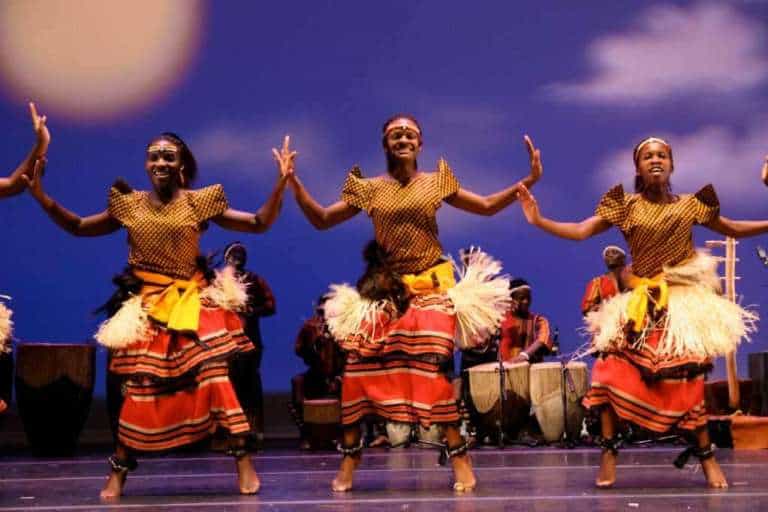
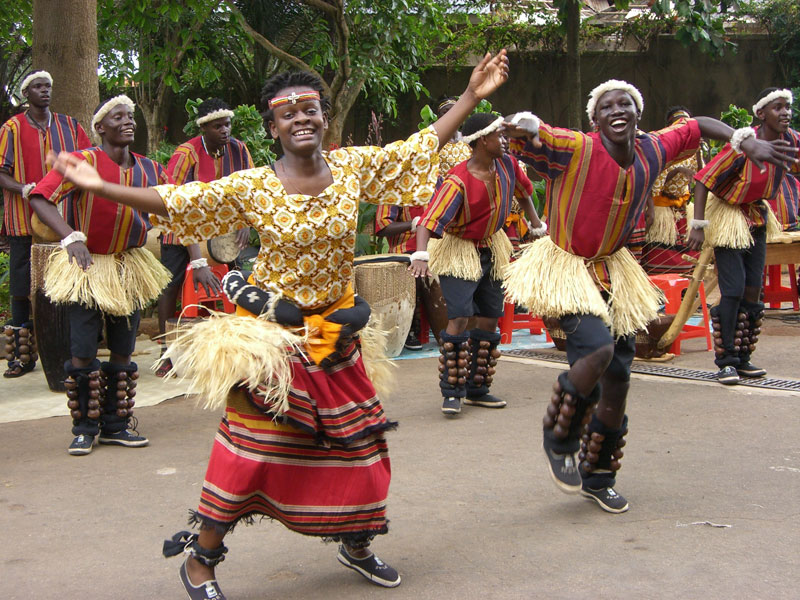
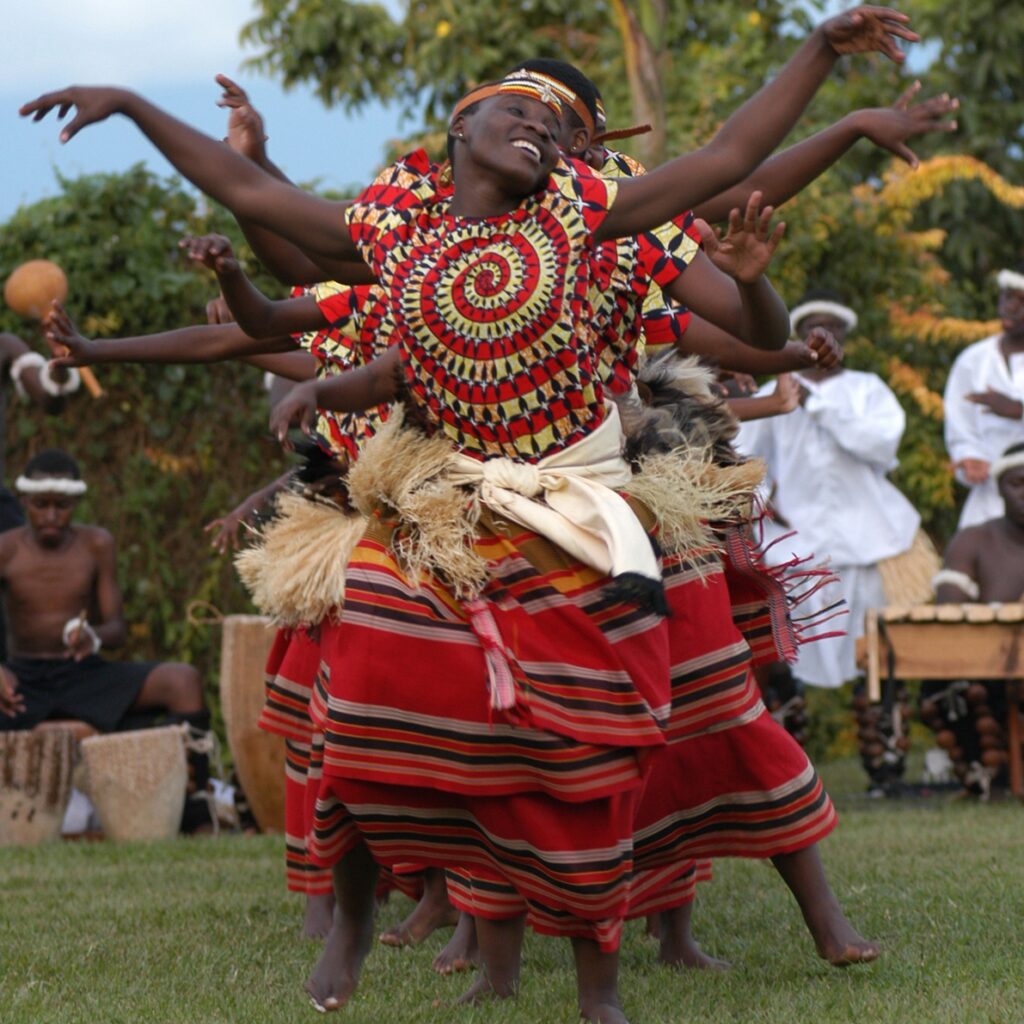
One of the most captivating expressions of Baganda culture is their music and dance. The traditional Bakisimba dance, performed with fluid waist movements and rhythmic drumming, embodies joy, celebration, and community spirit. The Nankasa and Muwogola dances further highlight the Baganda’s deep artistic heritage, with performers moving in perfect harmony to the lively beat of the engalabi (long drum), amadinda (xylophone), and endingidi (tube fiddle). These performances aren’t mere entertainment, they are cultural archives set to music. Baganda cuisine is another integral part of their identity. Staples like matooke (steamed green bananas), groundnut sauce, luwombo (a delicious dish steamed in banana leaves), and roasted meats bring families and communities together.
Meals are traditionally served with warmth and generosity, reflecting the Baganda’s belief in hospitality and togetherness.
Their social structure is elegantly organized into clans, each represented by a totem such as the lion, monkey, leopard, or colobus. Totems are more than symbols, they guide cultural norms, marriage arrangements, and ancestral ties. A Muganda cannot marry someone from the same clan, a tradition that reinforces unity and prevents close-family unions.
Although modernization continues to reshape Ugandan society, the Baganda have embraced change without abandoning their roots. Young people proudly wear gomesi and kanzu during weddings and ceremonies, royal institutions remain active in community development, and cultural education is passed down both at home and through heritage centers. The result is a culture that feels both ancient and refreshingly alive.
In every drumbeat, every royal procession, and every family gathering around a shared meal, the spirit of the Baganda endures. Their story is not just a chapter in Uganda’s past, it is a thriving, evolving legacy that continues to define the nation’s cultural heartbeat.